
-
Email:zhao@hyliec.cn
-
Tel:+86 311 85273988
-
WhatsAPP:8613931128750



The Tomato Cage Flower Tower A Creative Gardening Solution Gardening enthusiasts and novices alike are always on the lookout for innovative ways to beautify their landscapes while maximizing functionality. One such creative solution is the tomato cage flower tower. This unique concept combines practicality with aesthetics, allowing gardeners to showcase vibrant blooms while making use of easily accessible materials. In this article, we will explore the benefits of using a tomato cage as a flower tower, the types of plants suitable for this project, and some tips for designing your very own. The Benefits of a Tomato Cage Flower Tower Tomato cages are traditionally designed to support sprawling tomato plants, keeping them upright and promoting healthy growth. However, these structures can be repurposed creatively for ornamental plants, making them ideal for vertical gardening. One of the foremost benefits of using a tomato cage as a flower tower is the efficient use of space. This is particularly advantageous for those with limited gardening areas, such as urban dwellers or individuals with small yards. By stacking flowers vertically, gardeners can enhance their floral displays without requiring additional ground space. Furthermore, the tomato cage provides excellent structural support for climbing or trailing plants. Many flowers, such as morning glories, sweet peas, and nasturtiums, can benefit from the added support. As these plants grow upwards, they create a lush vertical garden that attracts butterflies and other pollinators, enhancing the garden's ecosystem. Additionally, the elevated position of the flowers can enhance visibility, making the garden visually appealing from various angles. Choosing the Right Plants When designing your tomato cage flower tower, it is essential to select the right plants. Climbing or trailing varieties are the best choice. Morning glories, with their vibrant colors and unique shapes, can create a stunning display as they twine around the cage. Similarly, sweet peas offer delightful fragrances and delicate blooms that enhance the garden’s sensory appeal. Herbs like climbing nasturtiums not only add color but can also serve culinary purposes. tomato cage flower tower For those who prefer perennial plants, consider incorporating clematis or climbing roses. These plants can bring a touch of elegance and sophistication to the flower tower. It is crucial to select plants that have similar light and water requirements, ensuring that your floral tower thrives as a cohesive unit. Designing Your Flower Tower Creating your tomato cage flower tower is a simple yet rewarding process. Begin by choosing a sturdy, rust-resistant tomato cage. You can usually find these at local garden centers or even repurpose old ones. For a more personalized touch, consider painting the cage with outdoor-safe paint to match your garden décor. Next, gather your chosen plants and potting soil. It's often best to plant the strongest varieties at the base of the cage, with taller, more vigorous plants positioned at the top. Fill the surrounding area with a good quality potting mix, ensuring that plants have enough soil to establish their roots. Water your flowers regularly, keeping in mind their individual requirements. As the plants grow, you may need to gently guide them to climb the cage, ensuring they don’t get tangled or overly crowded. With a bit of patience and care, your flower tower will transform into a stunning focal point in your garden. Conclusion The tomato cage flower tower is a fantastic way to combine creativity with functionality in your gardening practices. By utilizing vertically growing plants, you not only save space but also add a dynamic visual element to your garden. Embracing this innovative gardening approach allows you to showcase your floral artistry while supporting biodiversity in your green oasis. Whether you are a seasoned gardener or just starting your gardening journey, a tomato cage flower tower can be a delightful addition to your landscape.

-
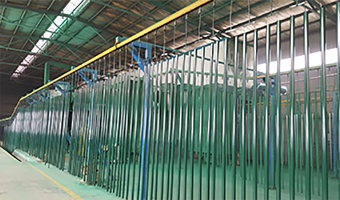
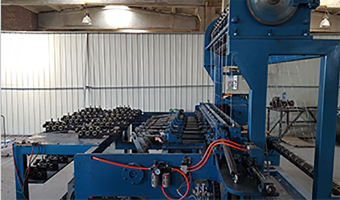
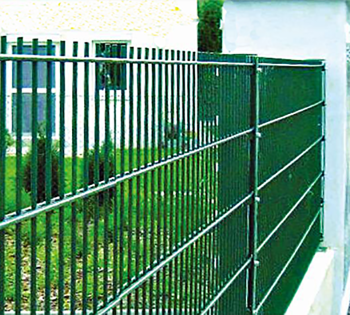 Rich export experienceRich experience for fencing production and export to North of America, Europe, South of America, and South of Africa more than 20 years.
 -
Complete product systemThe Maintenance free coatings coupled with a durable design offer owners and developers a products that can match all project requirements for safety
-
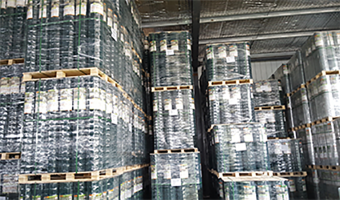
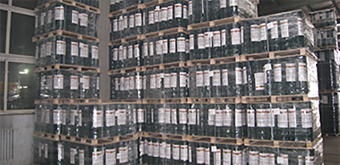
High-quality productsHigh quality control and specialist team for production process, inspection, packaging, QC Etc. to meet customer requirements.
-
Excellent serviceProvide professional technical support to customers, High quality after- sales support ensures that customers have no worries at all.
-
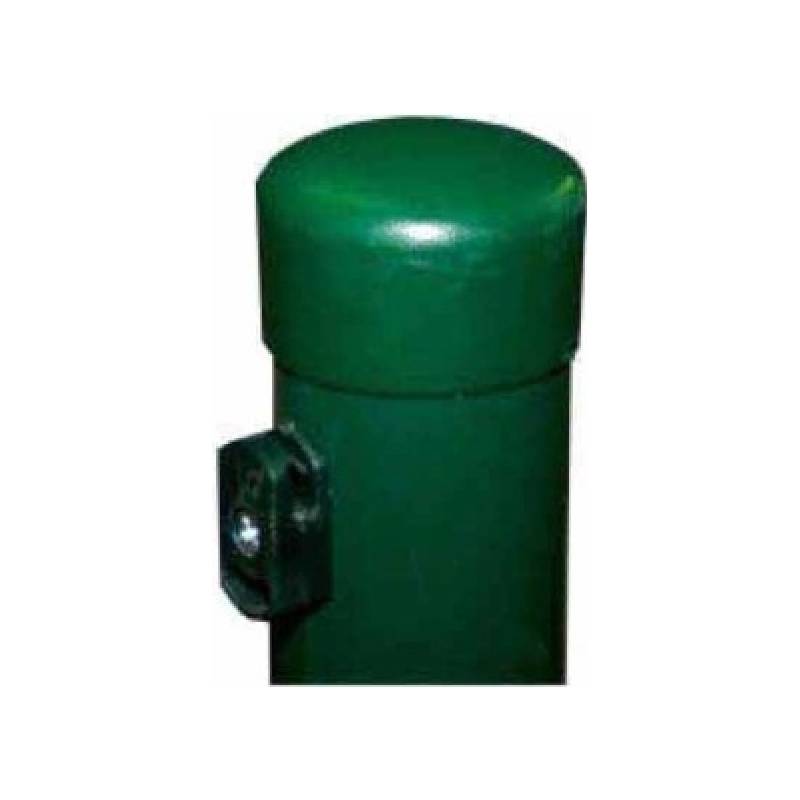 Creative Solutions for Corner Posts in Garden Fencing ProjectsGarden Fence Corner Posts The Unsung Heroes of Garden Design When it comes to garden design, many ho2026-04-04 19:22
 -
 Durable 5-Foot High Fence Panels for Enhanced Privacy and Security SolutionsWhen it comes to enhancing your outdoor space, 5-foot high fence panels offer an ideal solution for2026-04-04 19:12
 -
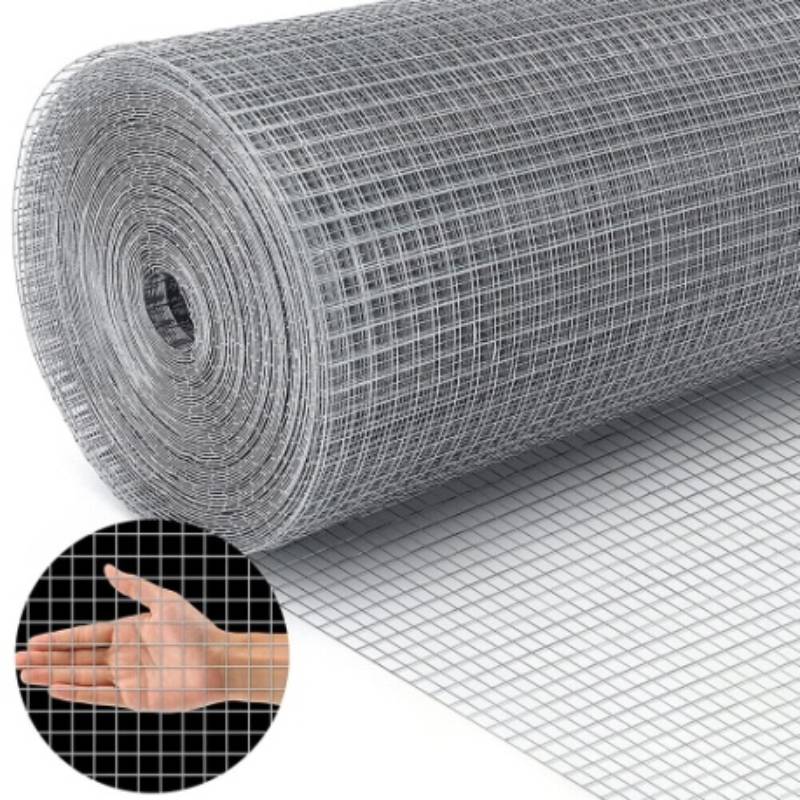 Choosing the Right 100mm Fence Post for Your Outdoor ProjectsThe Essential Guide to 100mm Fence Posts Choosing the Right Option for Your Needs When it comes to e2026-04-04 18:45
 -
 Decorative Garden Fence Ideas Featuring Solar-Powered Lighting Solutions for Outdoor SpacesEnhancing Your Garden with a Solar Light Border Fence A garden is not just a piece of land; it's a c2026-04-04 17:40